.png)
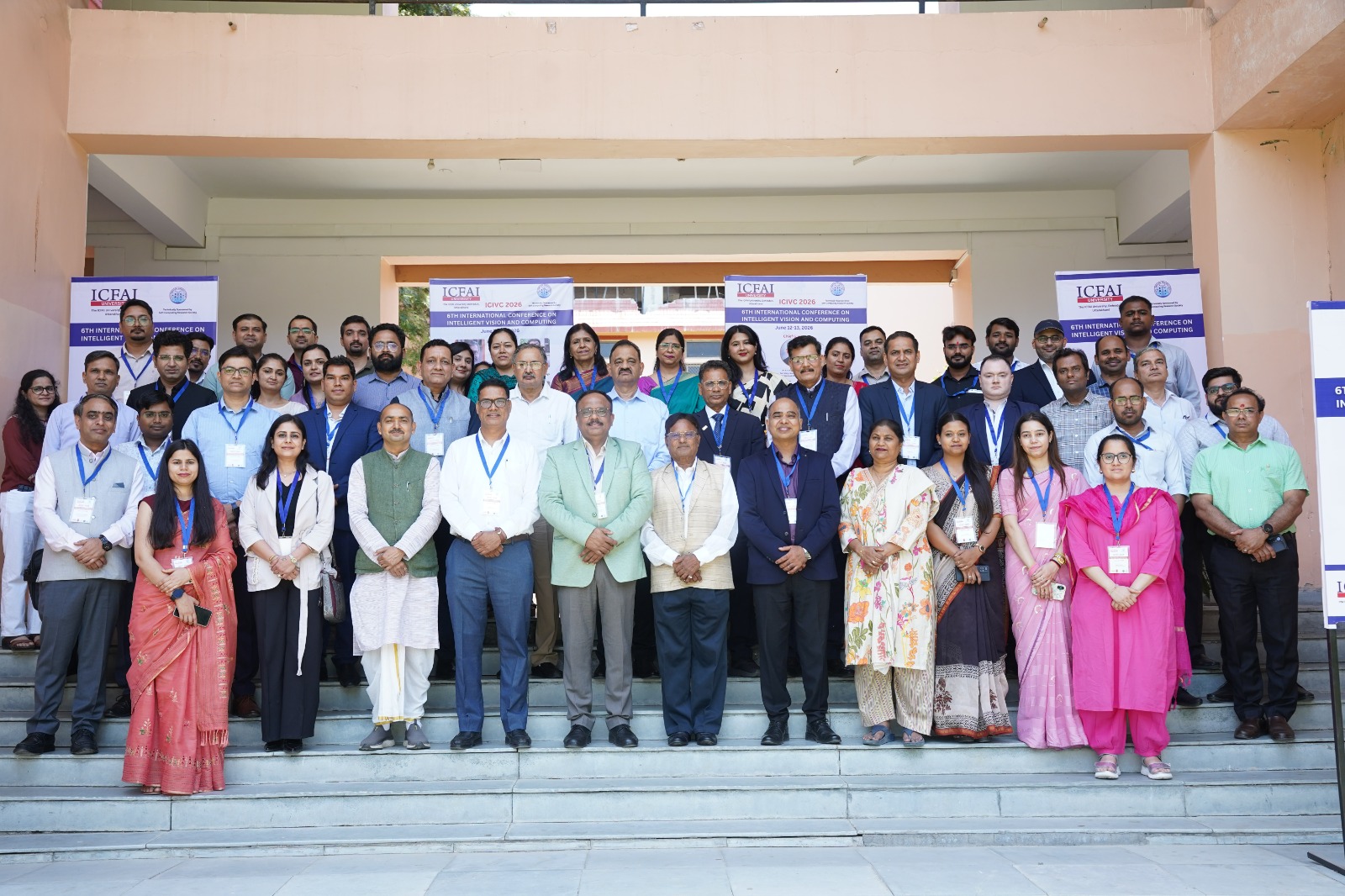
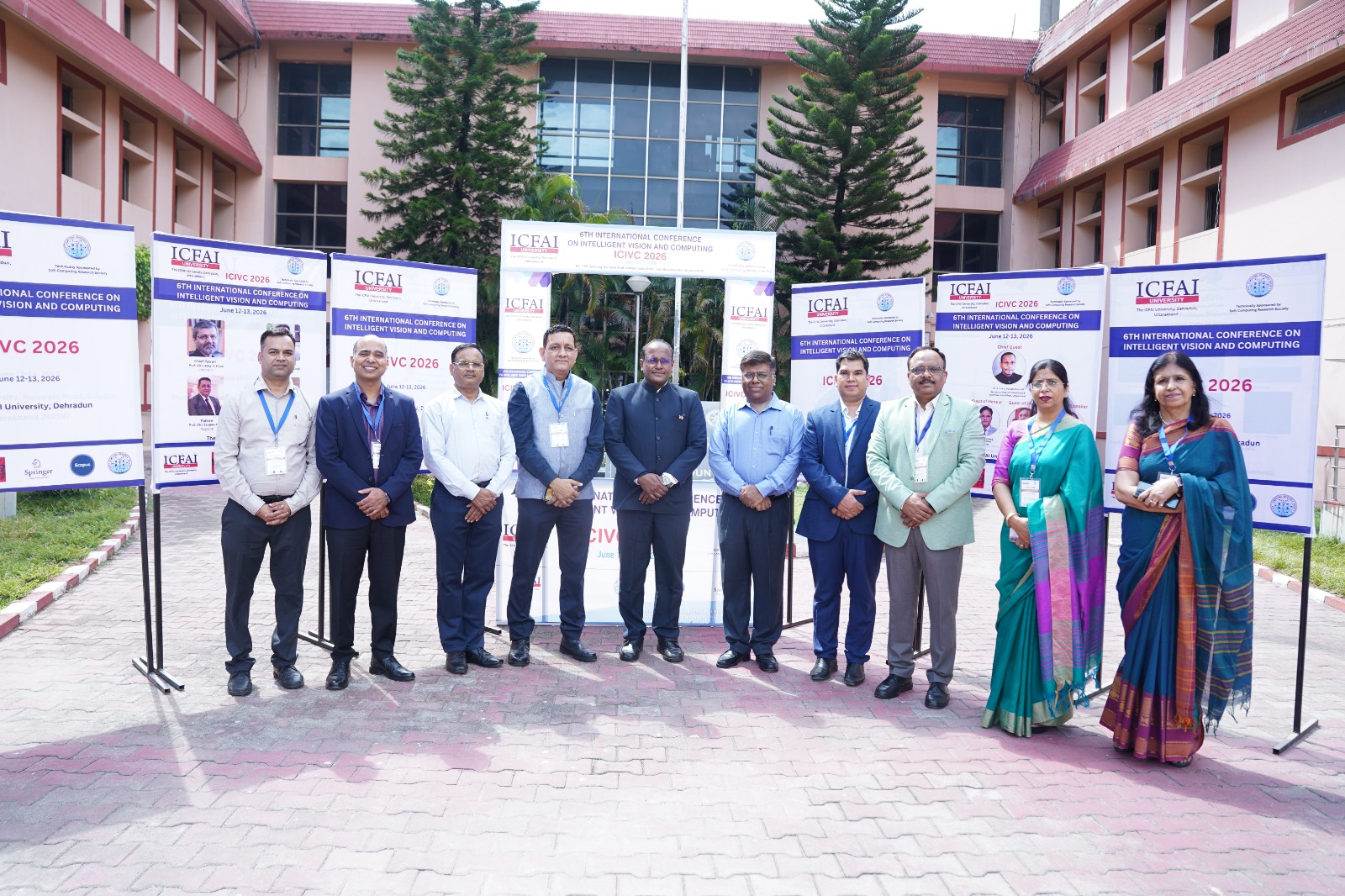
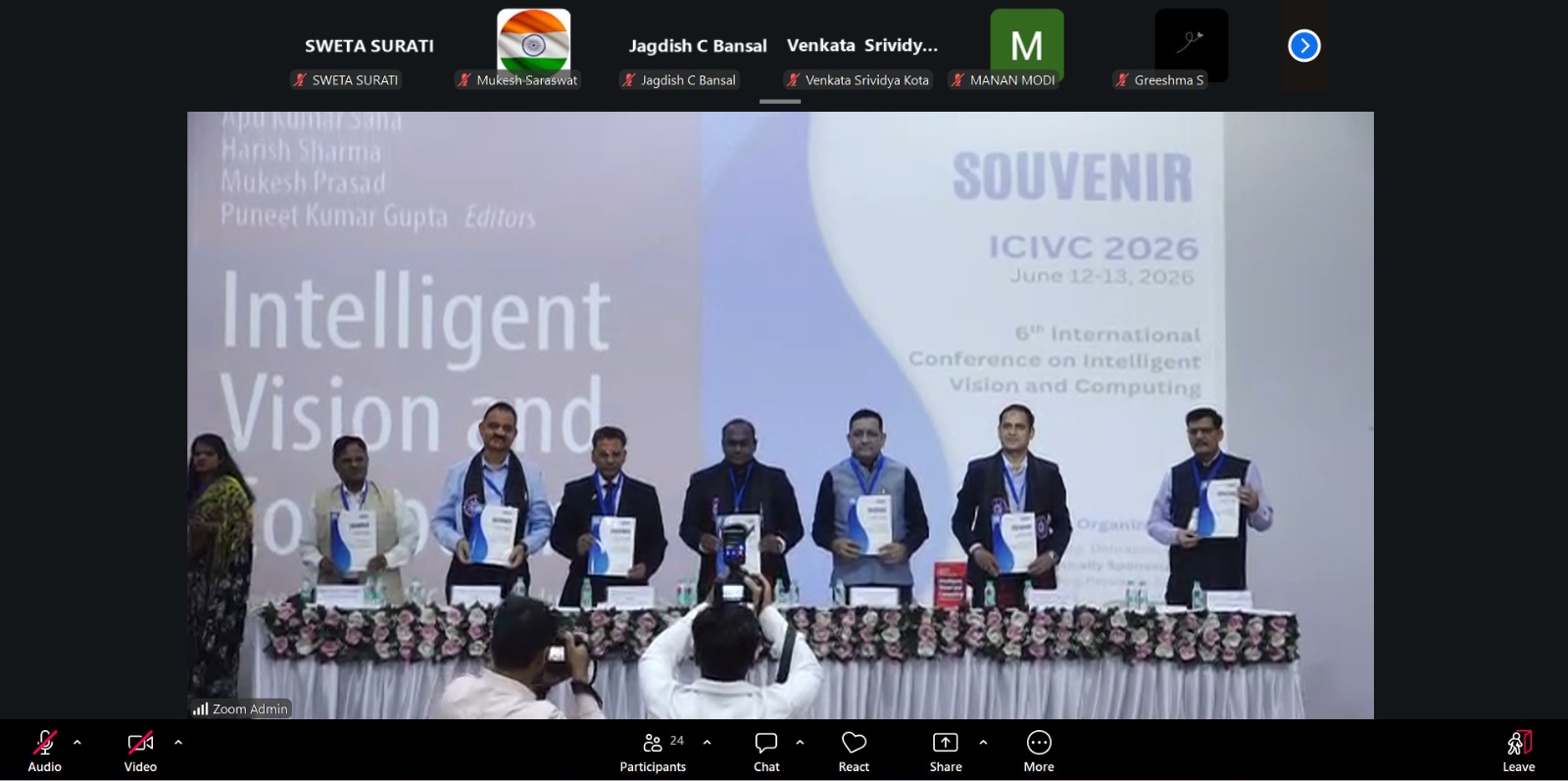
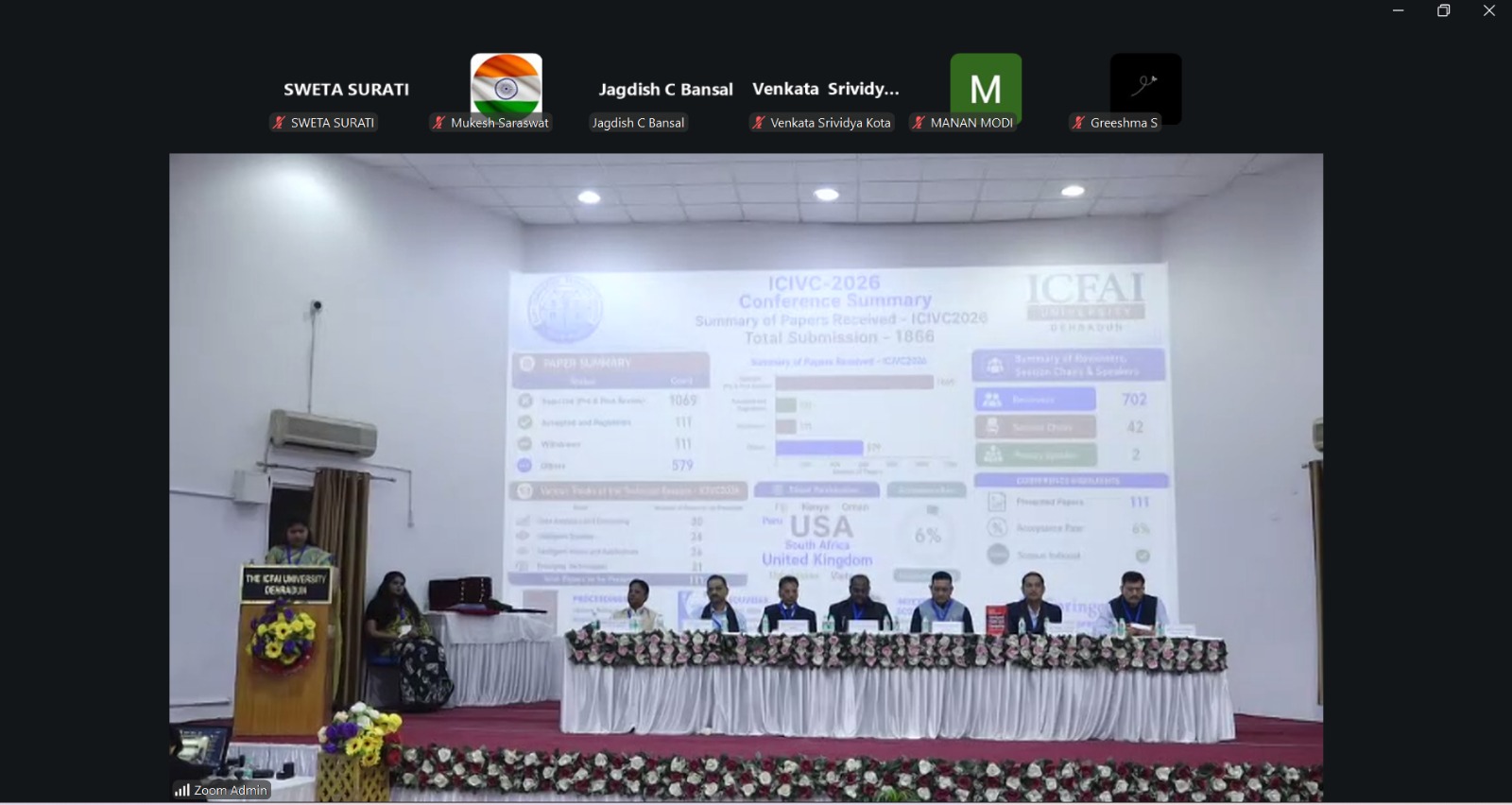
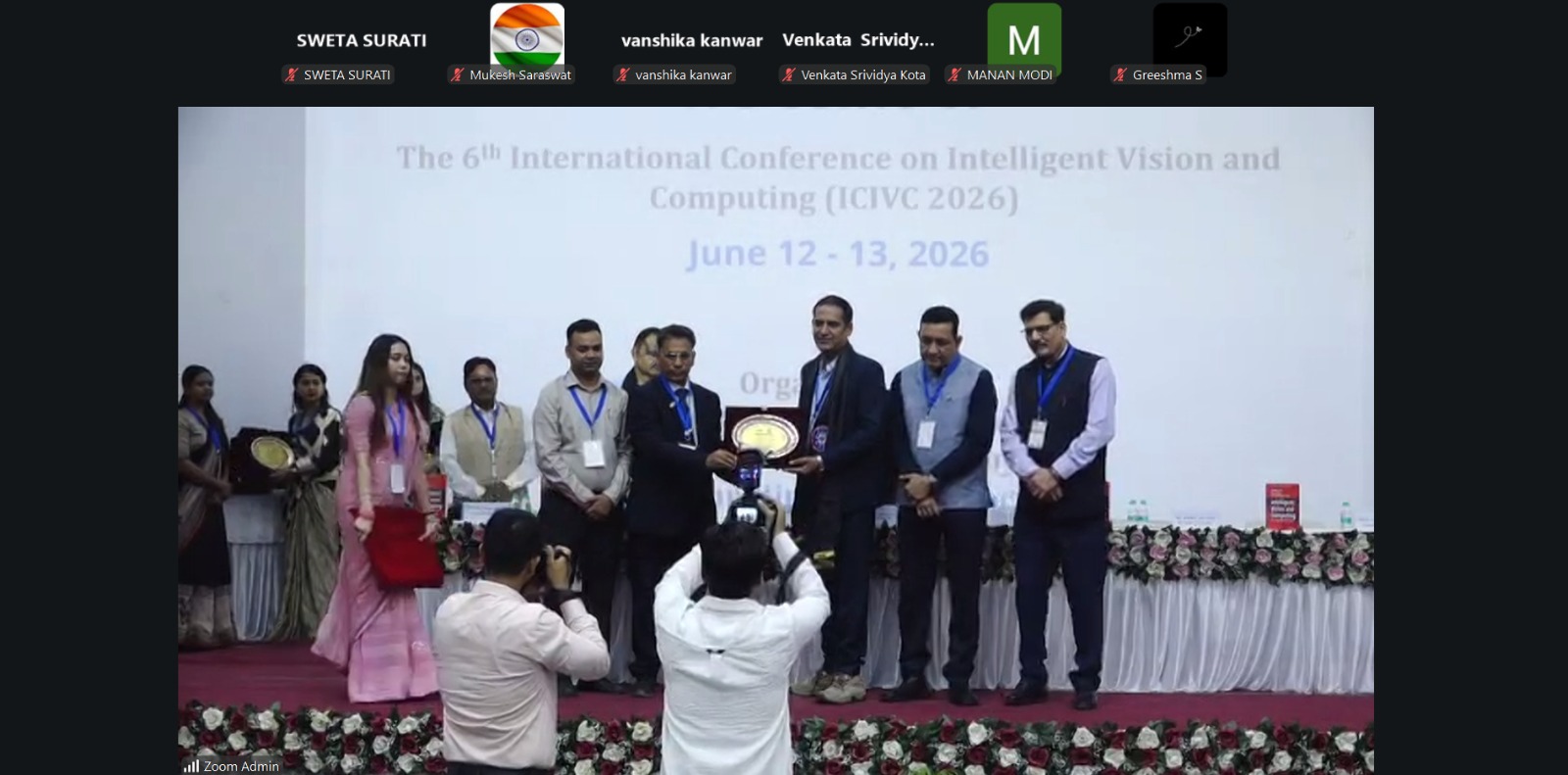
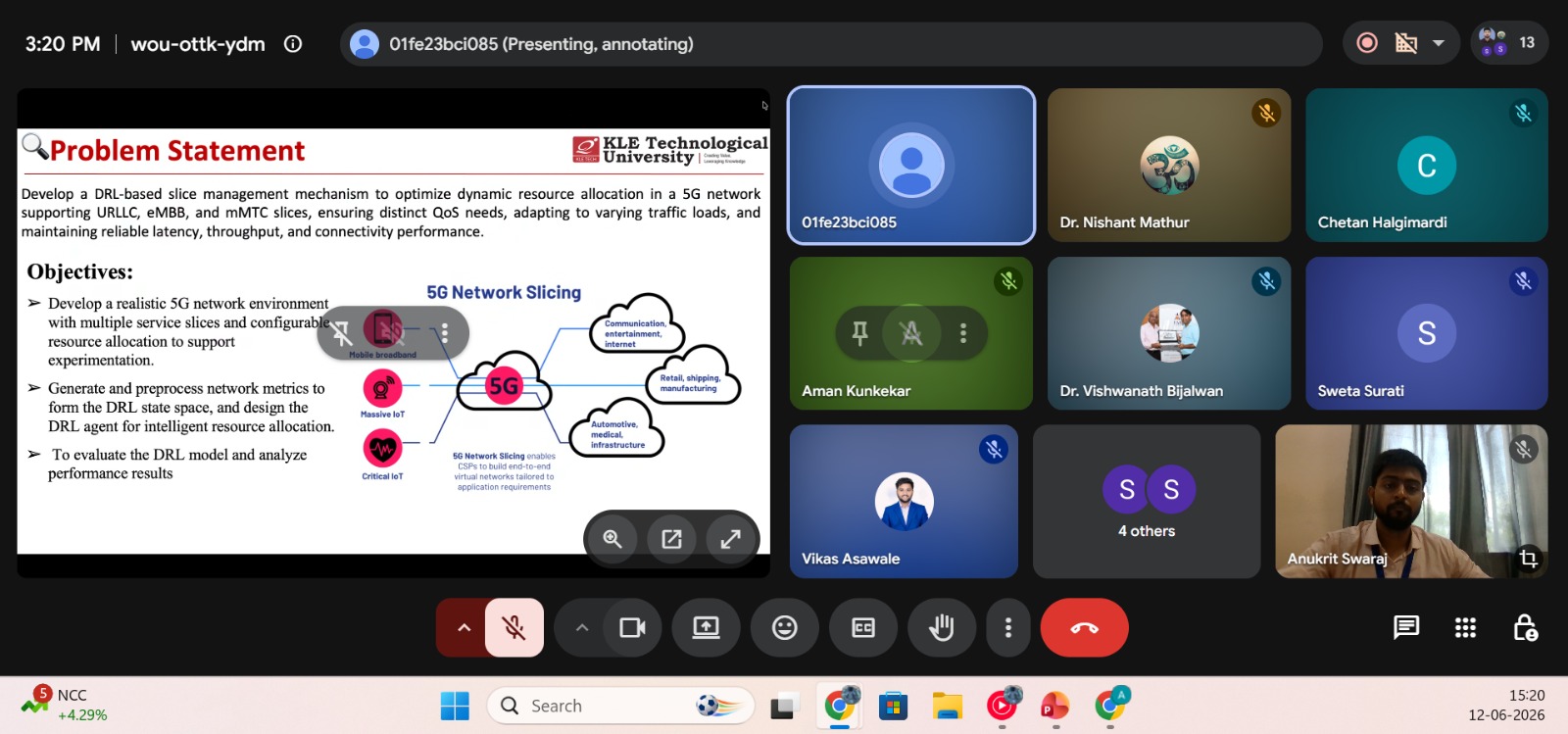
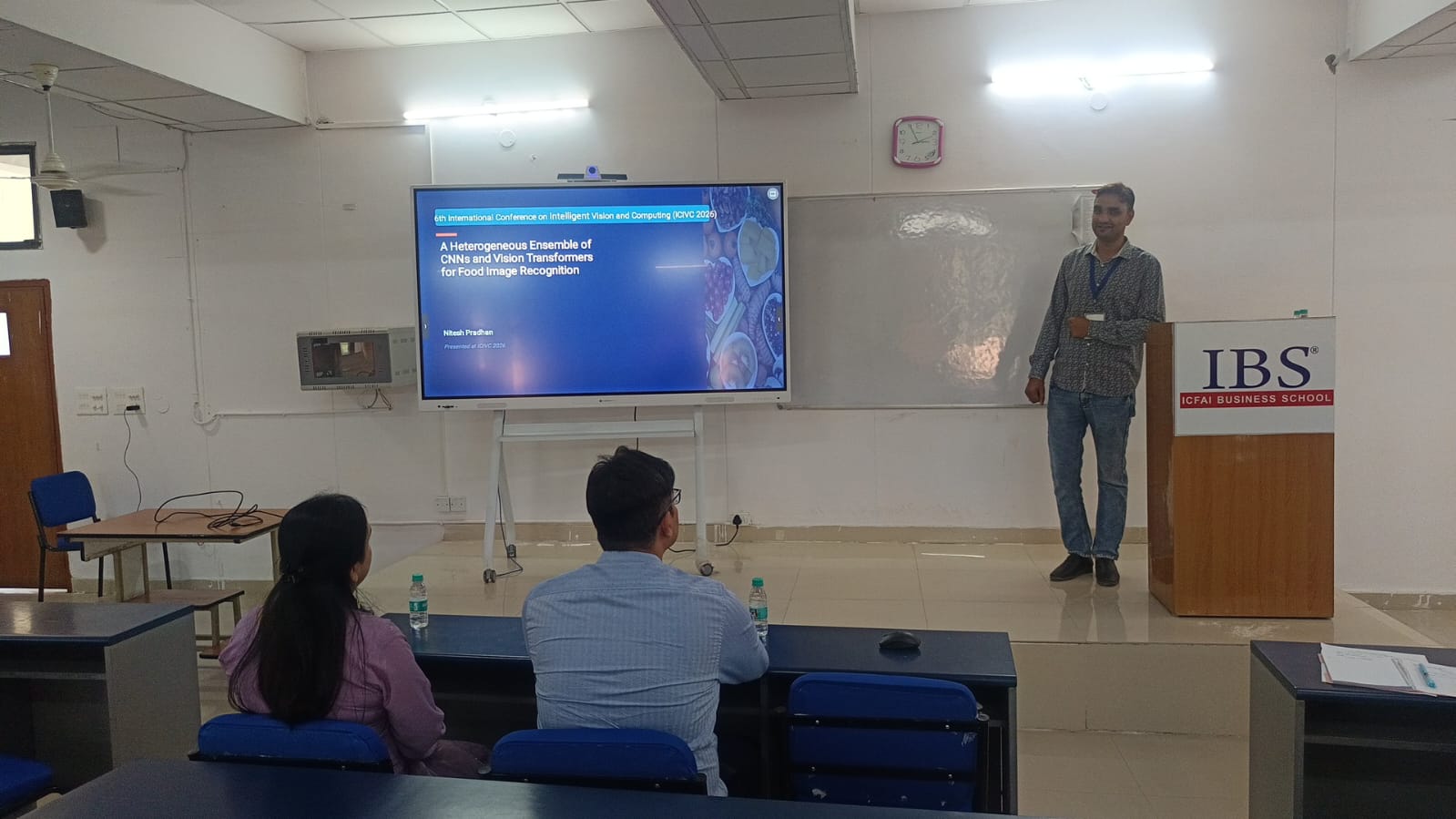
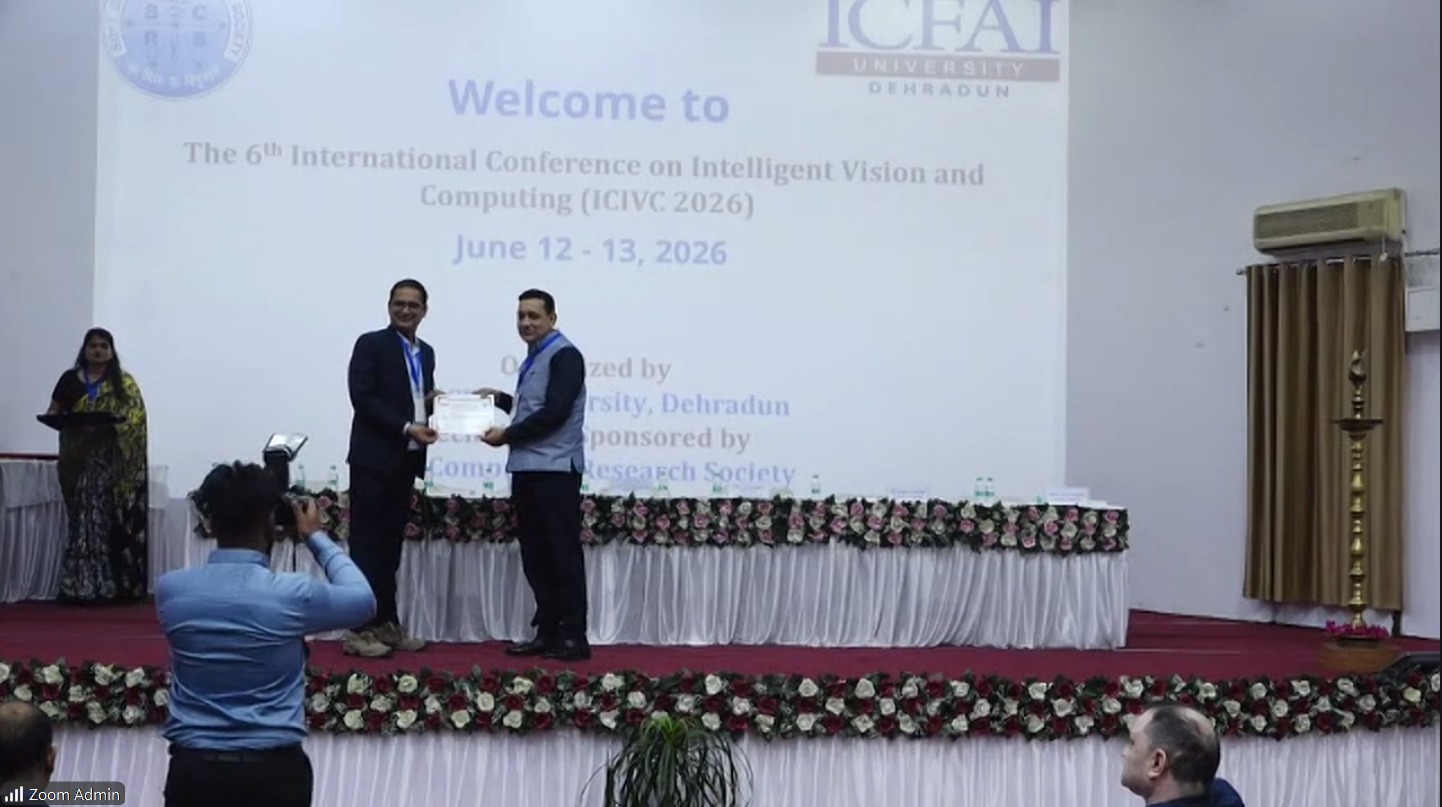
The 6th International Conference on Intelligent Vision and Computing (ICIVC 2026) was successfully organized on June 12–13, 2026, by The ICFAI University, Dehradun, in hybrid mode, facilitating participation from researchers, academicians, industry experts, and students from around the world through both in-person and online platforms. Technically sponsored by the Soft Computing Research Society, the conference served as a premier international forum for presenting cutting-edge research and fostering collaborations in the rapidly evolving domains of intelligent vision, artificial intelligence, data analytics, and emerging computing technologies.
ICIVC 2026 was led by an eminent team of General Chairs comprising Prof. Puneet Kumar Gupta from The ICFAI University, Dehradun, India; Prof. Apu Kumar Saha from the National Institute of Technology Agartala, India; Prof. Harish Sharma from Rajasthan Technical University, Kota, India; and Prof. Mukesh Prasad from the University of Technology Sydney, Australia. Their leadership and guidance played a crucial role in ensuring the successful organization of the conference and maintaining its high academic standards.
The conference received an overwhelming response from the international research community, attracting a remarkable 1,866 paper submissions from ten countries, namely Fiji, India, Kenya, Oman, Peru, South Africa, the United Kingdom, the United States, Uzbekistan, and Vietnam. Each submission underwent a rigorous peer-review process conducted by an expert panel of 702 reviewers from academia and industry. Following multiple rounds of evaluation, only 111 papers were accepted and registered for presentation and publication, resulting in a highly selective acceptance rate of approximately 6%. This stringent review process ensured that only high-quality and innovative research contributions were included in the conference proceedings.
The technical program featured a rich blend of keynote addresses, invited talks, technical paper presentations, and interactive discussions focusing on the latest developments in intelligent systems and computing technologies. The conference hosted three keynote speakers and one invited speaker who shared valuable insights into emerging trends, research challenges, and industrial applications of artificial intelligence and intelligent computing. Among the distinguished plenary speakers were Dr. Anshul Ujlayan, AI & ML Architect at Mastek Limited, and Prof. P. K. Garg, Emeritus Fellow at IIT Roorkee. Their expert talks highlighted the transformative role of artificial intelligence, machine learning, and intelligent vision systems in addressing real-world problems and driving technological innovation.
The conference technical sessions were organized under four major tracks: Data Analytics and Computing, Intelligent System, Intelligent Vision and Applications, and Emerging Technologies. These tracks provided researchers with opportunities to present and discuss novel methodologies, algorithms, applications, and solutions related to data science, computer vision, intelligent automation, deep learning, cybersecurity, smart systems, and next-generation technologies. The multidisciplinary nature of the conference encouraged fruitful exchanges of ideas and promoted collaborative research among participants from diverse backgrounds.
A major highlight of ICIVC 2026 is the publication of its after-conference proceedings in the prestigious SCOPUS-indexed Springer Book Series, Lecture Notes in Networks and Systems (LNNS). Publication in this internationally recognized series offers authors enhanced visibility and ensures the global dissemination of high-quality research outcomes presented during the conference. The association with Springer further strengthens the conference's reputation as a distinguished platform for scholarly excellence and innovation. Through its exceptional technical content, distinguished speakers, rigorous review process, and strong international participation, ICIVC 2026 successfully achieved its objective of advancing knowledge and fostering collaboration in the field of intelligent vision and computing. The conference concluded on a high note, reaffirming its commitment to promoting research excellence, strengthening academia-industry partnerships, and encouraging technological innovations that contribute to societal and industrial advancement.