.png)
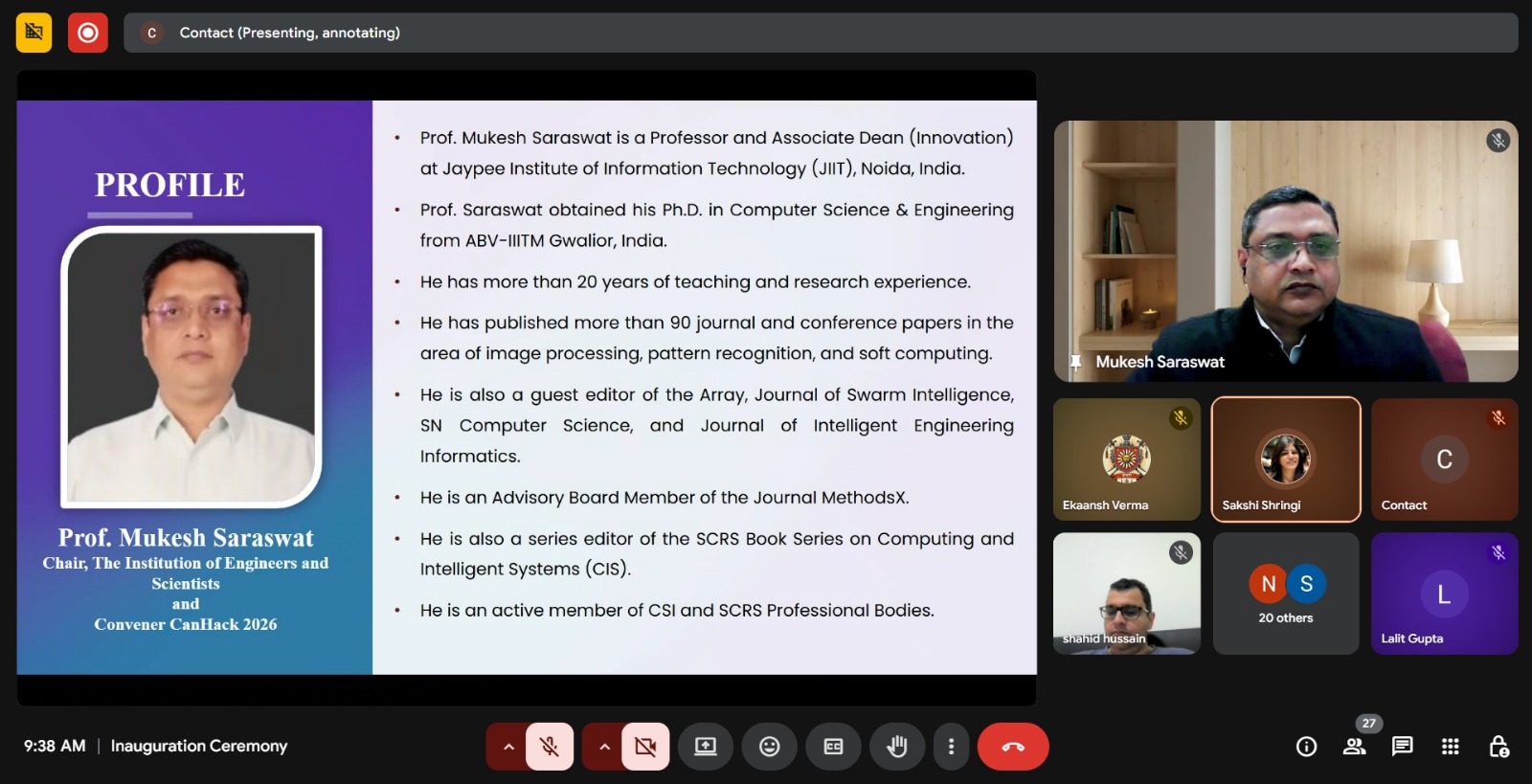
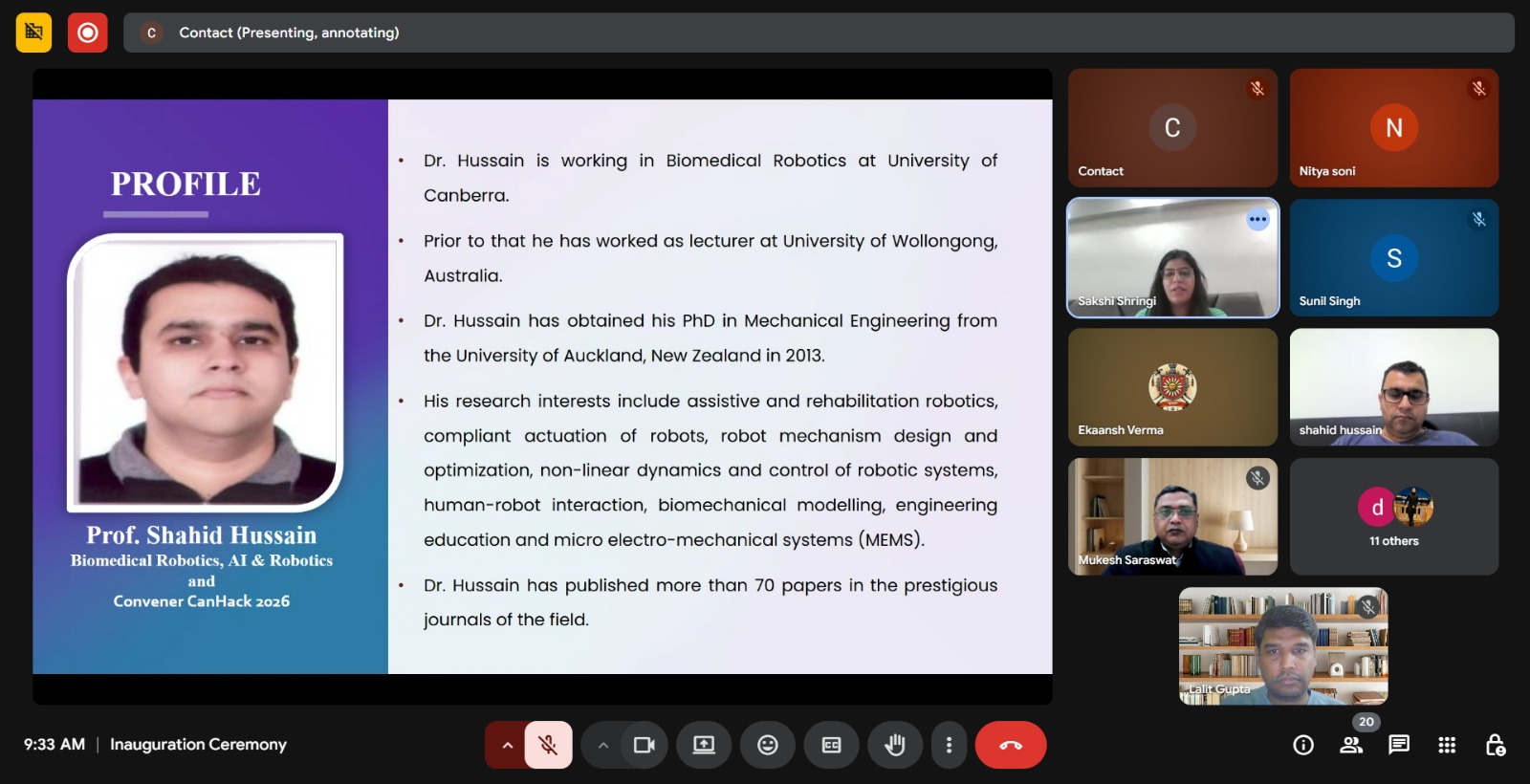
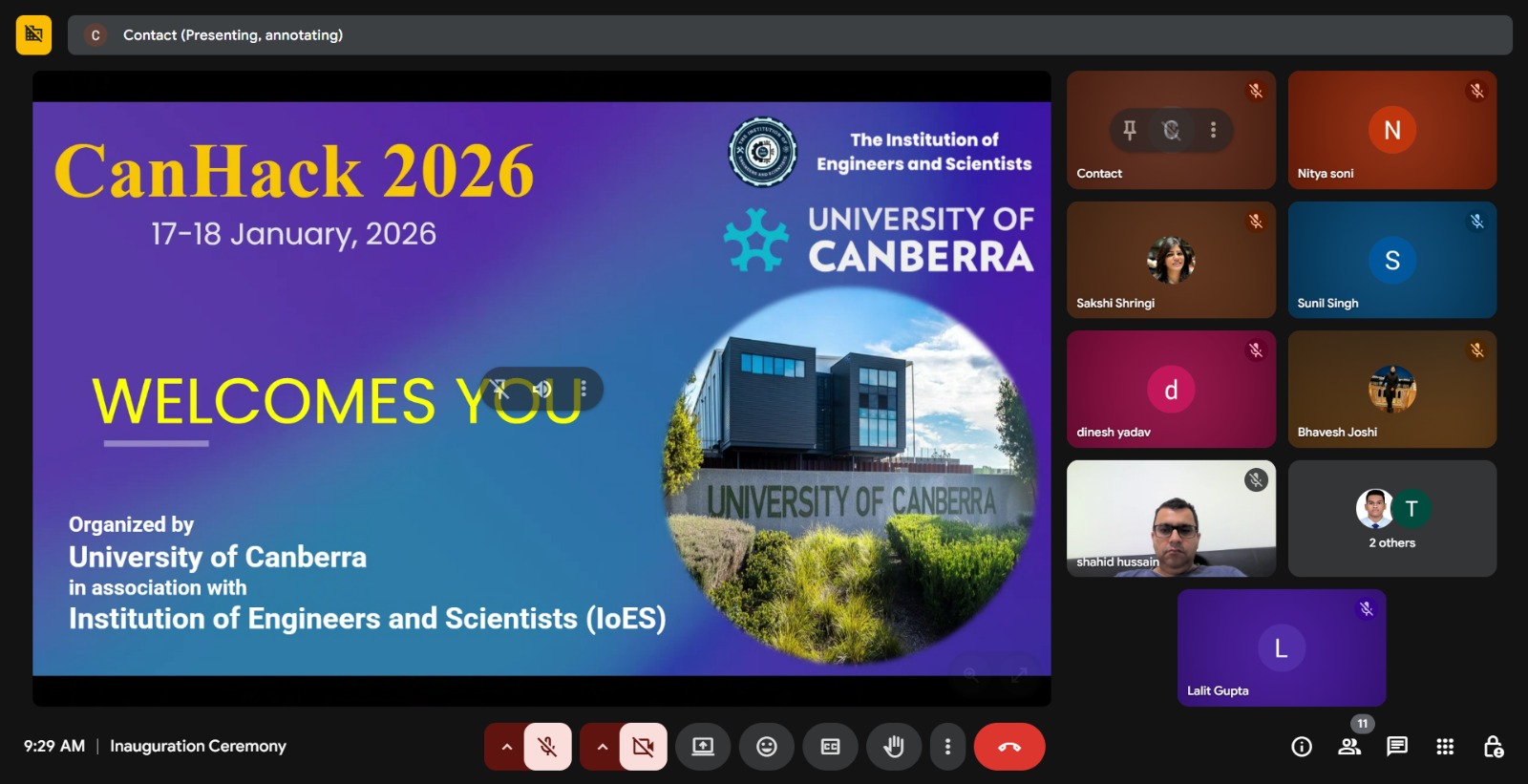
CanHack 2026, a global innovation-driven hackathon organized by the Institution of Engineers and Scientists (IOES), was successfully conducted on January 17–18, 2026 with the objective of fostering creativity, collaboration, and technology-led problem-solving among students, researchers, developers, and young innovators. Designed as an intensive platform for experiential learning and interdisciplinary engagement, the two-day hackathon encouraged participants to conceptualize and develop innovative solutions addressing real-world challenges through emerging technologies and intelligent systems.
The hackathon witnessed an overwhelming global response, receiving more than 500 idea submissions from 76 participating institutes across six countries, including Algeria, Bangladesh, India, Kazakhstan, the Philippines, and the United States. Following a rigorous multi-stage screening process based on parameters such as originality, feasibility, scalability, innovation potential, and societal impact, a total of 130 teams were shortlisted for the final presentation round. The event recorded the active participation of 343 registered participants who collaborated in teams to transform conceptual ideas into practical and scalable technological solutions.
Participants presented their innovations across 16 thematic tracks that spanned diverse domains of contemporary technological relevance. These included AI for Society, Cybersecurity and Digital Trust, FinTech and Digital Commerce, Generative AI and Creative Computing, HealthTech and BioInspired Innovation, Smart Mobility and Autonomous Systems, and Open Innovation, among others. The carefully curated tracks enabled participants to address challenges related to digital transformation, sustainability, smart infrastructure, financial technologies, healthcare innovation, and creative computing through the application of cutting-edge tools and methodologies.
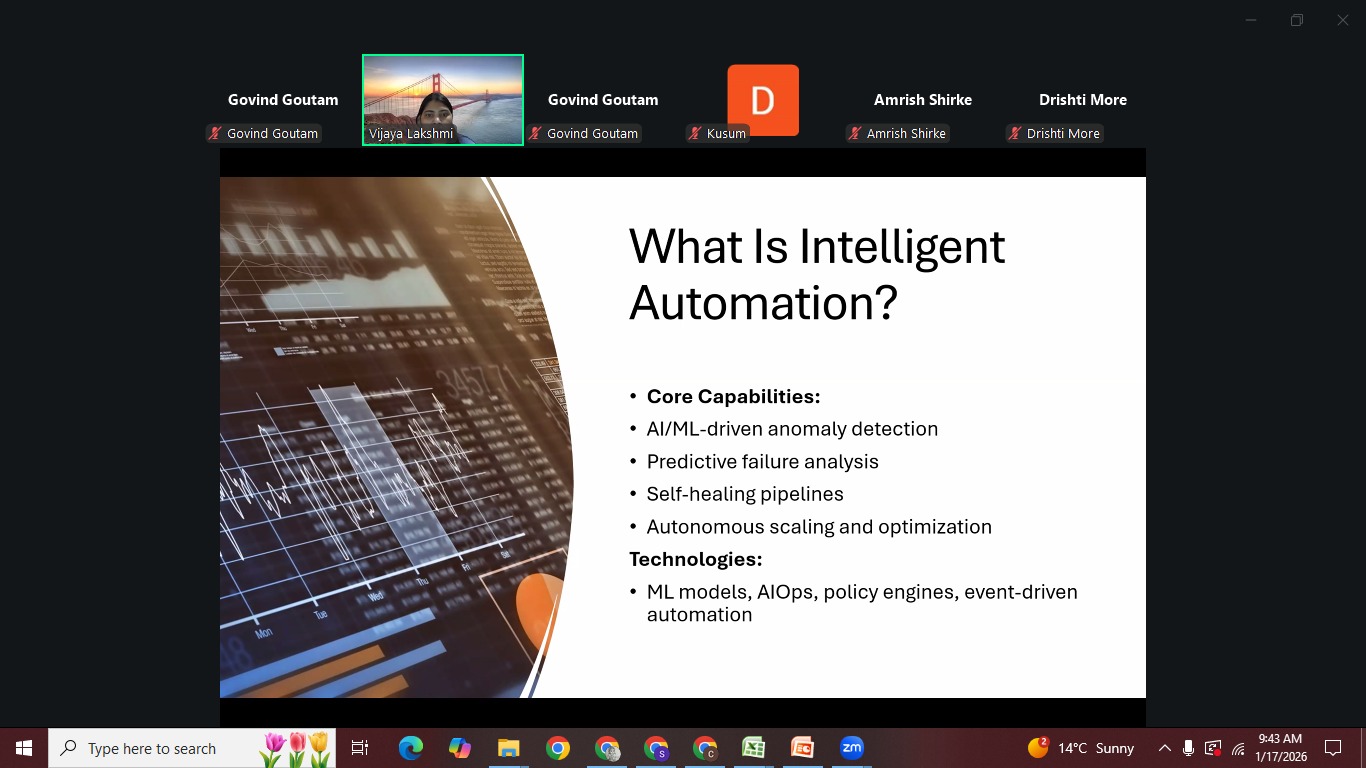
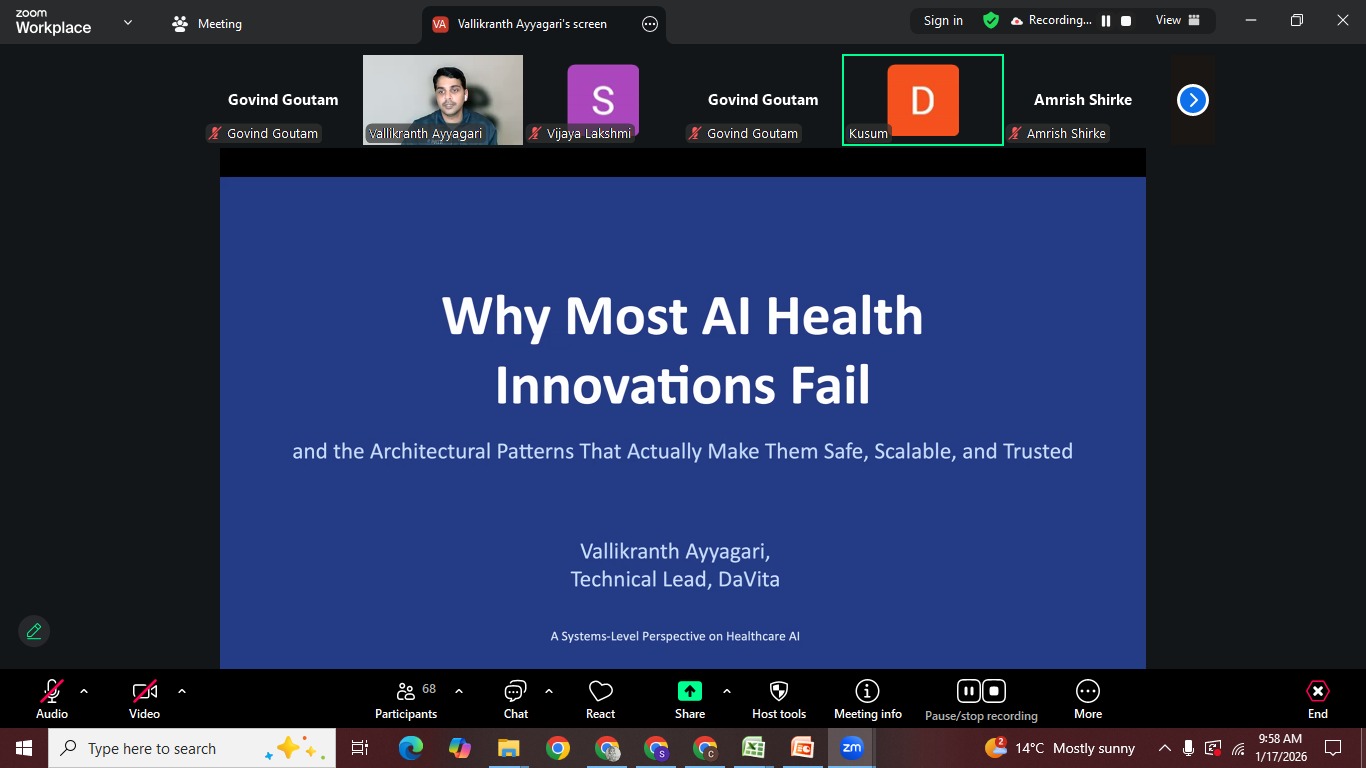
A key highlight of CanHack 2026 was the strong academic and industry engagement facilitated through expert-led knowledge-sharing sessions conducted by 11 keynote speakers across three keynote talk sessions. These sessions provided participants with valuable insights into emerging technological trends, innovation ecosystems, startup development pathways, and the practical implementation of advanced technologies in addressing complex societal and industrial challenges.
By bringing together global talent and interdisciplinary expertise on a single platform, CanHack 2026 successfully fostered an ecosystem of innovation, technical excellence, and collaborative learning. The hackathon not only enabled participants to refine their technical competencies and problem-solving abilities but also provided opportunities for mentorship, networking, and exposure to real-world innovation frameworks. The event stands as a testament to the growing importance of hackathons as dynamic platforms for nurturing future-ready talent and promoting global collaboration in the development of impactful technological solutions for a smarter and more sustainable future.